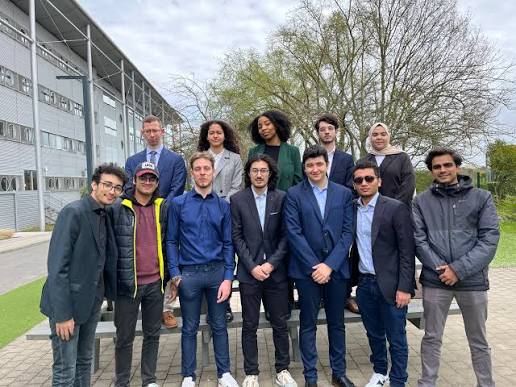
Student exchange programmes help students study in another country for a short time. They open doors to global education, better jobs, and new cultures. Many students now look for study abroad programs and international student exchange opportunities to grow their future.
Some students choose short cultural trips. Others spend a full school year at a top university. No matter the length, these programmes can change your life in a big way.
What Are Student Exchange Programmes?
Student exchange programmes are school agreements between two institutions in different countries. A student studies at a partner school for one semester or one full year.
The student stays enrolled at their home school. The credits earned abroad transfer back home.
These programmes are open to:
- High school students
- Undergraduate students
- Postgraduate and MBA students
- PhD students
- Technical and vocational learners
Most exchanges are set up by universities, governments, or global education groups.
Key Benefits of Student Exchange Programmes
Academic Growth and Credit Transfer
A big benefit of a study abroad program is earning credits while learning in a new country. Many universities work together to make credit transfer easy. This helps students graduate on time.
If you want to study overseas but worry about English tests, you can explore options for study abroad without IELTS. Some universities offer this path.
Career Growth and Better Job Chances
Employers like students with global experience. Joining an international exchange program shows that you:
- Understand other cultures
- Can adjust to new places
- Speak more than one language
- Solve problems
- Build global connections
Many students also look at countries that offer work options after school. You can learn about the best countries with post-study work visas before choosing where to go.
Cultural Learning and Personal Growth
Living in another country helps you grow. You learn to live on your own. You become stronger and more confident.
You also learn:
- New languages
- New customs
- New ways of thinking
These skills help you for life.
Types of Student Exchange Programmes
Semester Exchange Programs
These last about 3 to 6 months. This is the most common type.
Year-Long Academic Exchange
These last one full school year. Students get deeper cultural and academic experience.
Short-Term and Summer Exchange Programs
These last 2 to 8 weeks. They focus on special courses, research, or culture.
Research-Based Exchange Opportunities
These are for postgraduate and PhD students who want to work on research projects abroad.
High School Exchange Programs
Teenagers take part in cultural exchange programmes and stay with host families or in school housing.
Top Destinations for Study Abroad Programs
Choosing the right country is very important. Some of the best places to study abroad include:
United States
- Top universities
- Many course options
- Strong job networks
United Kingdom
- Shorter degree time
- Famous universities
- Post-study work visas
Students going to the UK should also understand funding options like Student Finance England application guide.
Canada
- Lower tuition than the US
- Good job opportunities
- Immigration pathways
If you plan long-term settlement, you may later need to understand the Express Entry profile step-by-step guide.
Australia
- Flexible system
- Strong research programs
- Work rights after graduation
Germany
- Low or no tuition in public universities
- Strong engineering programs
Cost of Student Exchange Programmes
The cost depends on the country and school.
Main costs include:
- Tuition (home or host school rules apply)
- Housing and living costs
- Travel
- Health insurance
- Visa fees
Most students spend between $7,000 and $25,000 per semester.
It is also smart to understand how much money students need per month before moving abroad.
Study Abroad Scholarships and Financial Aid
Money support helps many students study abroad.
Government Scholarships
Examples include:
- Fulbright (USA)
- Erasmus+ (Europe)
- Chevening (UK)
- DAAD (Germany)
University Scholarships
Many schools offer need-based or merit-based awards.
Private Loans and Grants
Banks and lenders offer education loans for international study.
To improve your chances, learn how to avoid common errors by reading about how to avoid scholarship rejection.
Visa Requirements for Student Exchange Programmes
You must meet student visa rules before traveling.
Most countries ask for:
- Acceptance letter
- Valid passport
- Proof of money
- Health insurance
- Visa form
- Biometrics appointment
To understand documents, fees, and wait times, check this helpful student visa biometrics guide 2026.
Apply at least 2 to 3 months early.
Application Process for Student Exchange Programs
Step 1: Talk to Your Home University
Most schools must approve and nominate you.
Step 2: Check Requirements
You may need:
- Minimum GPA
- English test score
- Recommendation letters
Step 3: Prepare Your Documents
You will need:
- School transcripts
- Personal statement
- Resume or CV
- Recommendation letters
If you are applying to Canada, follow the proper Canadian style CV guide to improve your chances.
Step 4: Arrange Funding and Apply for Visa
Secure your money and complete your visa process.
Accommodation Options for Exchange Students
On-Campus Housing
This is easy and close to classes. It also helps you meet other students.
Off-Campus Rentals
This gives more freedom but may cost more.
You can compare your options in this guide on on-campus vs off-campus housing.
Host Families
Many high school students stay with local families.
Challenges and Simple Solutions
Culture Shock
Feeling different is normal. Join campus groups. Make new friends.
Money Problems
Make a monthly budget. Track your spending.
Different Teaching Styles
Ask questions. Attend study groups. Stay organized.
How Student Exchange Programmes Help Your Career
Students with global experience often:
- Get better jobs
- Earn higher salaries
- Work in global companies
- Build strong networks
Employers see international study as a strong advantage.
Frequently Asked Questions About Student Exchange Programmes
How competitive are exchange programs?
Some countries are more competitive than others. The US and UK may require higher grades.
Can I work while studying abroad?
Many countries allow part-time work. Check your visa rules.
Who do I pay tuition to?
Most students pay their home university. Always confirm with your school.
Are student exchange programs worth it?
Yes. The experience, growth, and job benefits often make it worth the cost.
Final Thoughts on Student Exchange Programmes
Student exchange programmes are not just trips. They are life-changing experiences. They help you grow, learn, and prepare for a global career.
If you plan well, apply early, and choose the right country, you can make the most of this journey.
A student exchange programme could be the step that changes your future forever.